

They say you can’t bottle romance, but the French tried, and in Franschhoek, they came pretty damn close.
Just over an hour’s drive from Cape Town, tucked between vineyard-stitched mountains and leafy lanes, Franschhoek feels like something out of a European daydream with a South African accent. It’s the kind of place where wine, food, art, and slow living all swirl together in a perfectly aged blend. For those chasing something a little more curated than your average countryside escape, this is it.
A Village with a Vintage Soul
Franschhoek doesn’t unfold like a tourist trap, it unfolds like a secret you’re being let in on. Even its main road, Huguenot Street, feels less like a bustling artery and more like a well-kept invitation: white-walled boutiques, pavement-side cafés, and oak-lined views that beg you to slow down.
The town wears its French roots proudly (the name literally means “French Corner”), and there’s a noticeable flair for the fine things: wine, food, and aesthetics, noticeable everywhere you go. It really does feel like a small town turned resort, but it managed to keep it intimate.
What To Do (Besides Eat and Drink Yourself Silly)
1. The Franschhoek Wine Tram (We Skipped It, But Here’s Why You Might Not)
Let’s get this out of the way: yes, the Wine Tram is the go-to activity in Franschhoek, and yes, it’s a great way to wine-hop responsibly. But we chose to drive and soak it in at our own pace, and we’re not sorry.
That said, for first-timers or those wanting a carefree, scenic ride between estates (especially in a group), this hop-on, hop-off tram is a clever and classy solution. It runs multiple routes across the valley’s top wine farms, with options for guided tastings and food pairings.
Costs start around R295–R495, depending on your route and extras.
Would we recommend it? Yes, just not on a tight schedule or if you’re after a more intimate estate experience.
2. Babylonstoren: The Garden of All Delights
Technically just outside Franschhoek, Babylonstoren deserves its own feature (and it’ll get one soon), but here’s the cliff notes: this place is unreal. Think sprawling food gardens, a world-class spa, wine tasting, a butcher shop, a cheesery, and a restaurant that turns whatever’s in the soil into art on a plate.
It’s not cheap. It’s not fast. And it’s not to be missed.
Day visitors can enter the garden for R120 (free for under-18s), and it’s worth every cent.
3. Gallery Hopping
Franschhoek is home to a surprisingly strong art scene. The kind that mixes abstract oil pieces with sculpture gardens and photographic minimalism. While some galleries are free to browse, a few charge entry, especially if there’s an exhibition or performance element involved.
On our trip, we opted to duck into a few open galleries on the main road, giving the entry-fee ones a skip in favour of our wine budget. Fair trade.
4. Scenic Drives & Mountain Walks
If you’ve got wheels, drive up the Franschhoek Pass, it’s a twisting, scenic route that climbs out of the valley and rewards with postcard-worthy views. Great at golden hour or sunrise.
For walkers, the Mont Rochelle Nature Reserve has a network of trails ranging from gentle strolls to day hikes with big payoffs. It’s R70 for a permit, and the views of the valley are some of the best you’ll get on two feet.
Pack water. And maybe wine. (Just kidding, kind of)
5. The Bastille Festival
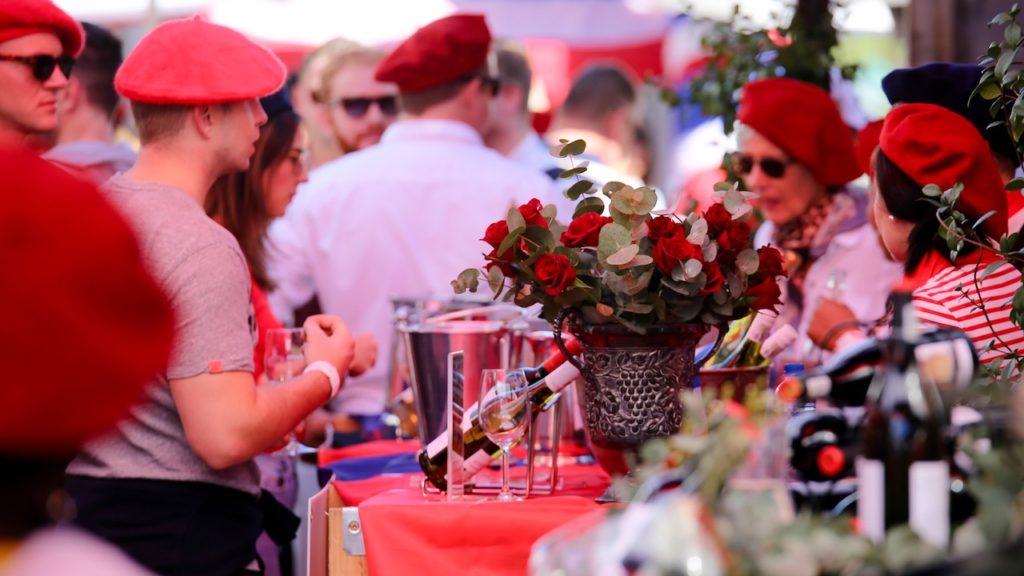
If you’re lucky enough to be here in July, the annual Bastille Festival is a Francophile’s dream. Think berets, bubbly, gourmet bites, and live music, all with a wine glass in hand. The whole town gets involved, and it’s a great excuse to layer up and lean in.
Tickets sell fast and accommodation prices skyrocket, so plan ahead.
Where We Stayed: A Boutique Hotel Experience Worth the Detour
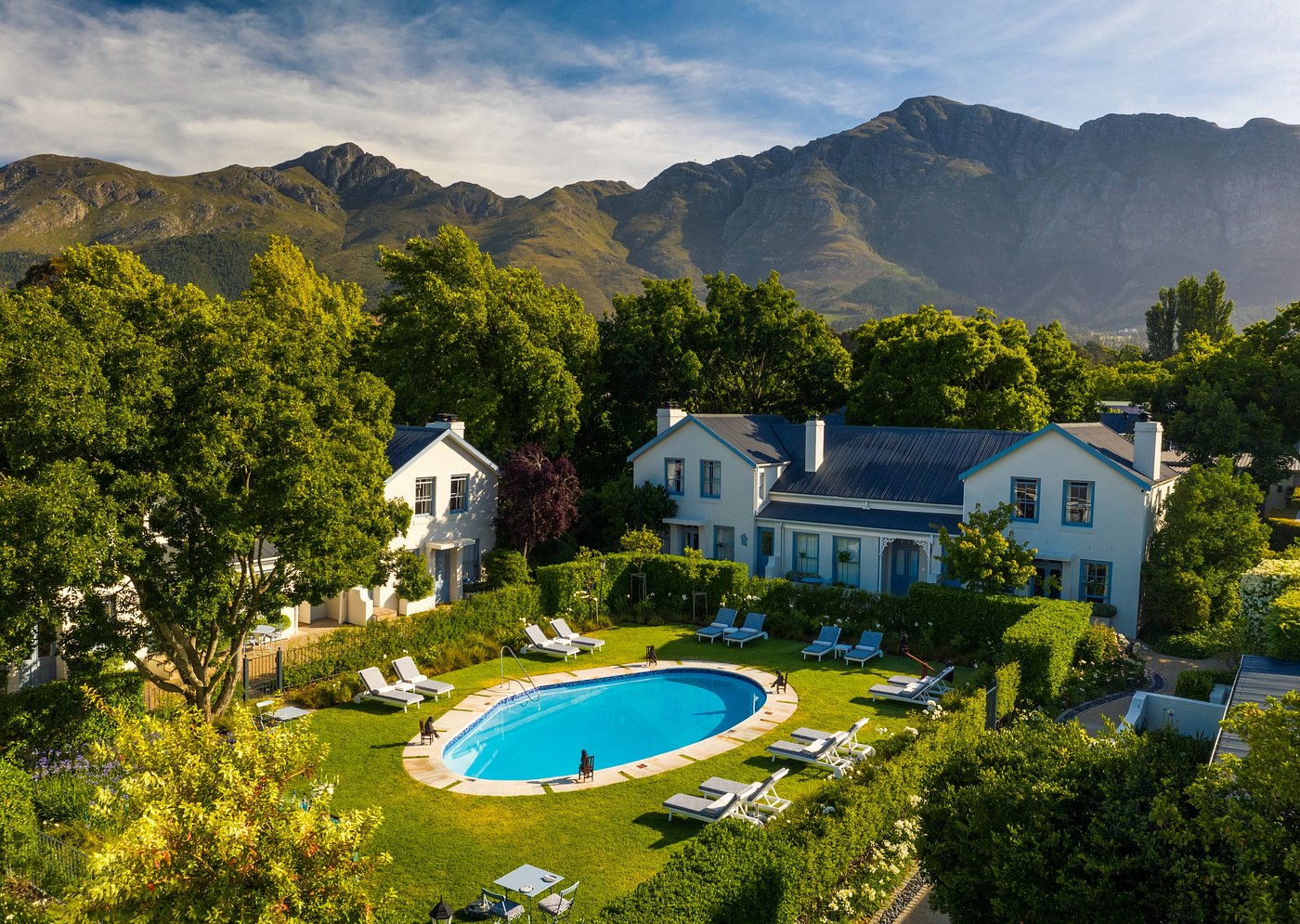
Franschhoek is full of charm-heavy accommodations: vineyard villas, heritage homesteads, and designer guesthouses that feel more curated than commercial. For this visit, we checked into Le Quartier Francais, a boutique hotel tucked just off the village’s main drag, close enough to walk to top restaurants but discreet enough to feel worlds away from the weekend bustle.
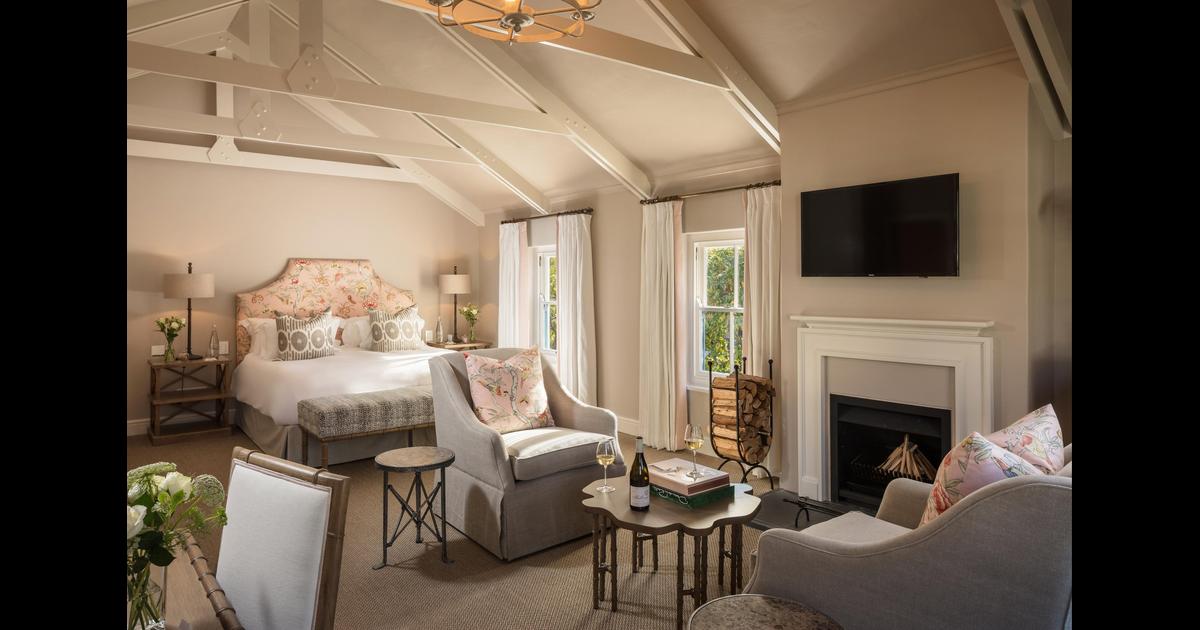
From the outside, it’s all Cape Dutch cool with crisp white walls and quiet courtyards. Inside, it’s the kind of luxury that doesn’t show off, plush beds, deep tubs, curated South African art, and a breakfast that feels like room service from a Parisian café. Every touchpoint is intentional, from the welcome drink to the evening turndown with hand-poured truffles on the nightstand.
What stood out most was the balance between style and soul, this isn’t one of those stiff-lipped five-star stays. The staff are warm, the layout intimate, and the atmosphere quietly confident. There’s a sense that someone with good taste and better instincts designed this place for people who appreciate life’s finer things without needing to announce them.
We also took a peek at Chapter House Boutique Hotel, just a short stroll away. Housed in a 19th-century mission building, it leans into history with wooden floors and period details, but updates it with bold design choices and mountain-facing verandas. Another top pick for couples, especially if you like your mornings slow and sunlit.
Further up Akademie Street, the eponymous Akademie Street Boutique Hotel offers something even more intimate, think wood-burning stoves in winter, private plunge pools in summer, and hand-written welcome notes all year round. It’s the kind of place you book for a honeymoon… or a luxurious anniversary.
None of these spots fall into the “affordable” category, but you’re not paying for square meters here. You’re paying for a feeling: serenity, attention to detail, and that intoxicating sense of being somewhere truly special. In a town built around indulgence, these boutique hotels are part of the experience, not just a place to crash after a long lunch.
Dining in Franschhoek: Reuben’s and Beyond
Franschhoek is often called the culinary capital of South Africa, and for once, the title isn’t just brochure talk. You come here to eat well. And drink even better. With a few meals to spare and too many contenders on the map, choosing where to dine becomes a game of strategy.
We kicked things off with a return to Reuben’s. Years ago, I had a great meal here, and revisiting was like catching up with an old friend who’s aged well. The vibe is polished but not pretentious, the flavours bold, and the plating just modern enough to make you want to snap a pic before the first bite. Think local ingredients turned fine-dining, with familiar comfort and a little culinary theatre. It’s not boundary-pushing, but it doesn’t have to be. Reuben’s knows what it is, and does it with grace. The meal was more about memory than discovery, and it delivered on both.
From there, the temptation to explore newer, more daring plates took over. Protégé, just steps away at Le Quartier Français, is one of the town’s most talked-about spots, and for good reason. The menu is small-plate driven, seasonal, and chef-led without being intimidating. This is where Franschhoek’s culinary future is quietly being shaped, not loud, not flashy, just excellent.
Another one that kept coming up (and we’ll be back for) is Epice, a spice-forward fine-dining experience also under the same group as Protégé. It’s refined, bold, and built for those who want something more global and experimental. If you’ve only got two nights in town, Epice and Protégé make for a compelling one-two punch.
Of course, you can’t overlook the enduring favourites. La Petite Colombe continues to push the envelope on tasting menus, while French Connection gives off casual brasserie vibes, great for lunch or a slower, simpler dinner.
And if you want to pair your wine with a view (because obviously you do), Chef’s Warehouse at Maison is your play. Long tables, vineyard views, and a menu built for sharing. It’s relaxed but seriously good. You’ll want to linger.
Dining in Franschhoek is never just a meal, it’s part of the itinerary. The only downside, you can realistically eat at maybe two or three places per trip. Which means there’s always a reason to come back.

When to Visit & How Long to Stay
2 to 3 nights is the sweet spot. Any less, and you’re rushing your rosé. Any more, and you’ll need a second stomach (and possibly a second mortgage). With two nights, you can fit in a couple of great meals, a wine tasting or three, a scenic drive, a walk through the village, and still find time to do absolutely nothing, which, let’s be honest, is half the point.
Franschhoek plays well year-round, but timing changes the flavour:
-
Late summer to early autumn (Feb–April): Harvest season. Warm days, golden vineyards, and the buzz of winemaking in the air.
-
Winter (June–August): Fireplaces, red wine, fewer crowds. Cosy, romantic, and still very alive, especially around the Bastille Festival in July.
-
Spring (Sept–Nov): Everything’s green and blooming. Wine farms wake up. Great for shoulder-season calm.
-
Peak summer (Dec–Jan): Busy, beautiful, and boiling. Book well in advance or prepare to picnic on parking lots.
Weekends vs weekdays?
Weekends bring bustle: markets, festivals, and packed wine trams. Great if you like energy and don’t mind queues.
Midweek? Quieter, more relaxed, and easier to snag a last-minute lunch reservation or wine tasting slot.
Quick Tips to Plan Like a Local (or at least not like a rookie):
-
Book your top restaurants before you arrive. The good ones fill up fast, especially Fridays and Saturdays.
-
The Wine Tram sounds fun, and trust me it is but it’s not the only way to taste wine and this will take an entire day out of your trip. Self-drive or hire a local guide for a more curated route and less exposed vineyards.
-
Bring layers. Even in summer, evenings can drop. And in winter, it’s all about thick socks and Merlot.
-
Do one lazy lunch. Long, wine-soaked, scenic. You’ll thank yourself later.
-
Don’t over-plan. Franschhoek is built for wandering. Give yourself an afternoon to just be, whether that’s browsing art galleries, snacking on cheese, or getting lost in a book with mountain views.

Our Ratings
Value for Money: ★★★★☆
It’s not cheap, but it’s not trying to be. You’re paying for polished experiences, world-class wine, and boutique charm that earns its price tag.
Experience & Service: ★★★★☆
From restaurant tables to hotel check-ins, service hits that sweet spot between attentive and relaxed. It’s personal without being pushy.
Uniqueness & Atmosphere: ★★★★★
French heritage meets Cape Winelands luxury. Vineyards, galleries, and mountain views blend into something that feels timeless and totally its own.
Convenience & Accessibility: ★★★★☆
An easy 1.5-hour drive from Cape Town, walkable once you’re in town, and well-signposted. Just avoid peak season traffic if you can.
Would I Recommend It?
Absolutely — for couples, foodies, wine lovers, and anyone craving a small-town escape that punches way above its size.
Final Verdict: ★★★ – Worth planning your trip around
Franschhoek is not just a town, it’s a mood. It’s for slow mornings, long lunches, deep reds in deep glasses, and that irresistible feeling that maybe, just maybe, you could stay forever.