If you’re looking for a proper green escape inside Gauteng’s urban sprawl, Walter Sisulu Botanical Gardens delivers. Tucked away at the end of Malcolm Road in Poortview, Roodepoort, this 300-hectare national botanical reserve is one of the most underrated day trips in Johannesburg. Voted the best place to reconnect with nature in Gauteng by best of Jo’burg for nine years running, it punches well above its weight for a weekend outing that doesn’t require a three-hour drive or an expensive itinerary.
Formally known as the Witwatersrand National Botanical Garden, the site has been drawing visitors since the 1800’s, long before it was officially proclaimed a botanical reserve in 1982. The garden was renamed in 2004 in honour of anti-apartheid activist Walter Sisulu, and today it’s managed by SANBI (South African National Biodiversity Institute) as one of eight national botanical gardens in the country.
Where Is Walter Sisulu National Botanical Garden?
Walter Sisulu National Botanical Garden sits at the end of Malcolm Road, Poortview, Roodepoort, on the western edge of Johannesburg. It’s roughly a 35-minute drive from the Joburg CBD and easily reachable from most parts of Gauteng. There’s a large free parking area on site, which is one less thing to stress about on a busy weekend.
GPS: 27°50’40.7″E, 26°05’13.8″S
Address: End of Malcolm Road, Poortview, Roodepoort, Gauteng (just click here to set in on maps)
Public transport options are limited, so a private vehicle or rideshare is the practical choice for most visitors.
What to Expect at Walter Sisulu Botanical Gardens
The gardens cover 300 hectares split between roughly 30 hectares of landscaped garden and 270 hectares of natural Rocky Highveld Grassland, Gold Reef Mountain Bushveld, and Northern Afrotemperate Forest. Three distinct vegetation types supporting over 600 naturally occurring plant species. The landscape feels genuinely alive rather than manicured and sanitised.
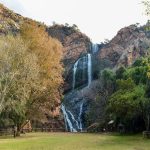
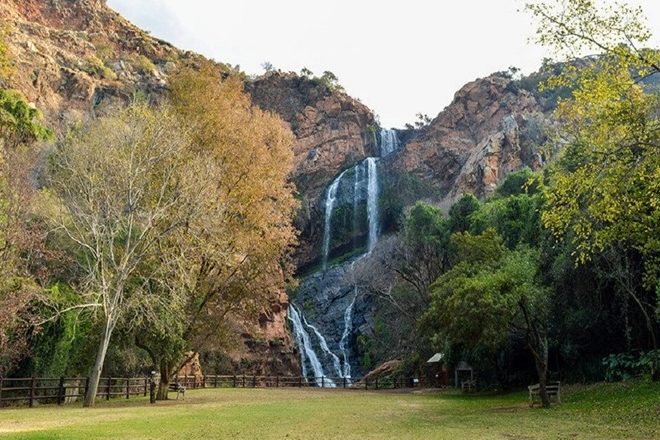
The centrepiece is Witpoortjie Falls a natural waterfall that also marks the source of the Crocodile River, which flows all the way to Hartbeespoort Dam. It’s accessible via a 3.5km loop trail. The path involves about 1km of moderately demanding rocky terrain, but nothing that breaks a reasonably fit person. The reward is worth every step. A section of this was closed during our visit but we still managed.
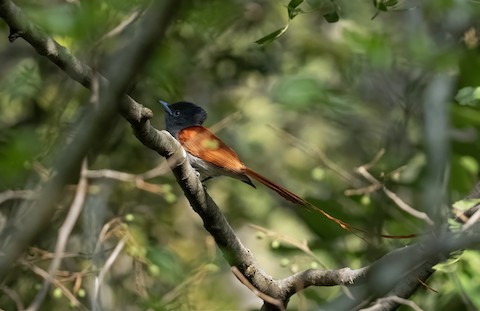
Birdwatchers will have a field day, over 240 bird species have been recorded on site. The resident breeding pair of Verreaux’s Eagles, named Makatsa and Mahlori, nest on the cliffs near the waterfall and have bred here since 2020. Catching them in flight is a genuine spectacle (regrettably no luck on our last visit). Beyond birds, camera traps have picked up aardvark, black-backed jackal, yellow mongoose, and Cape porcupine.
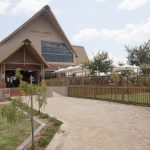
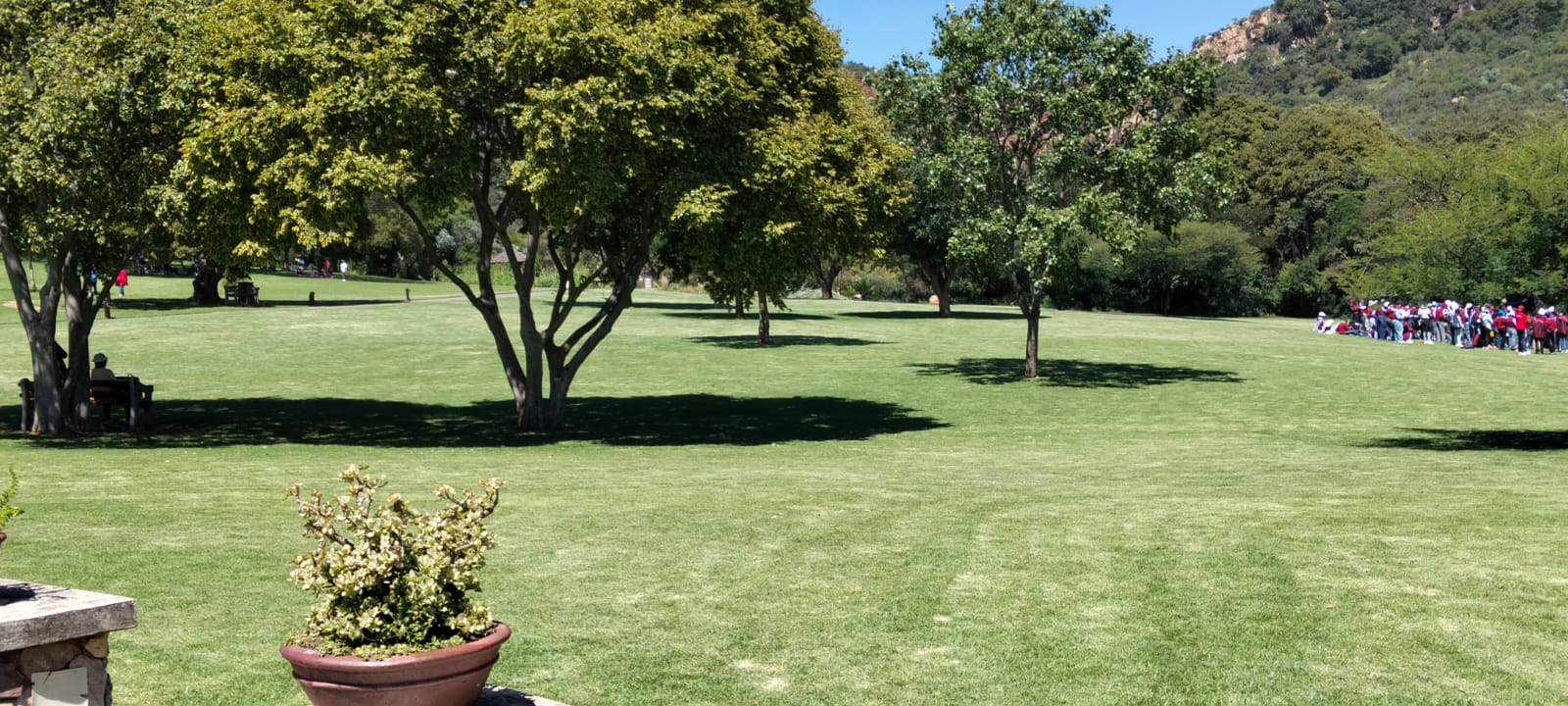
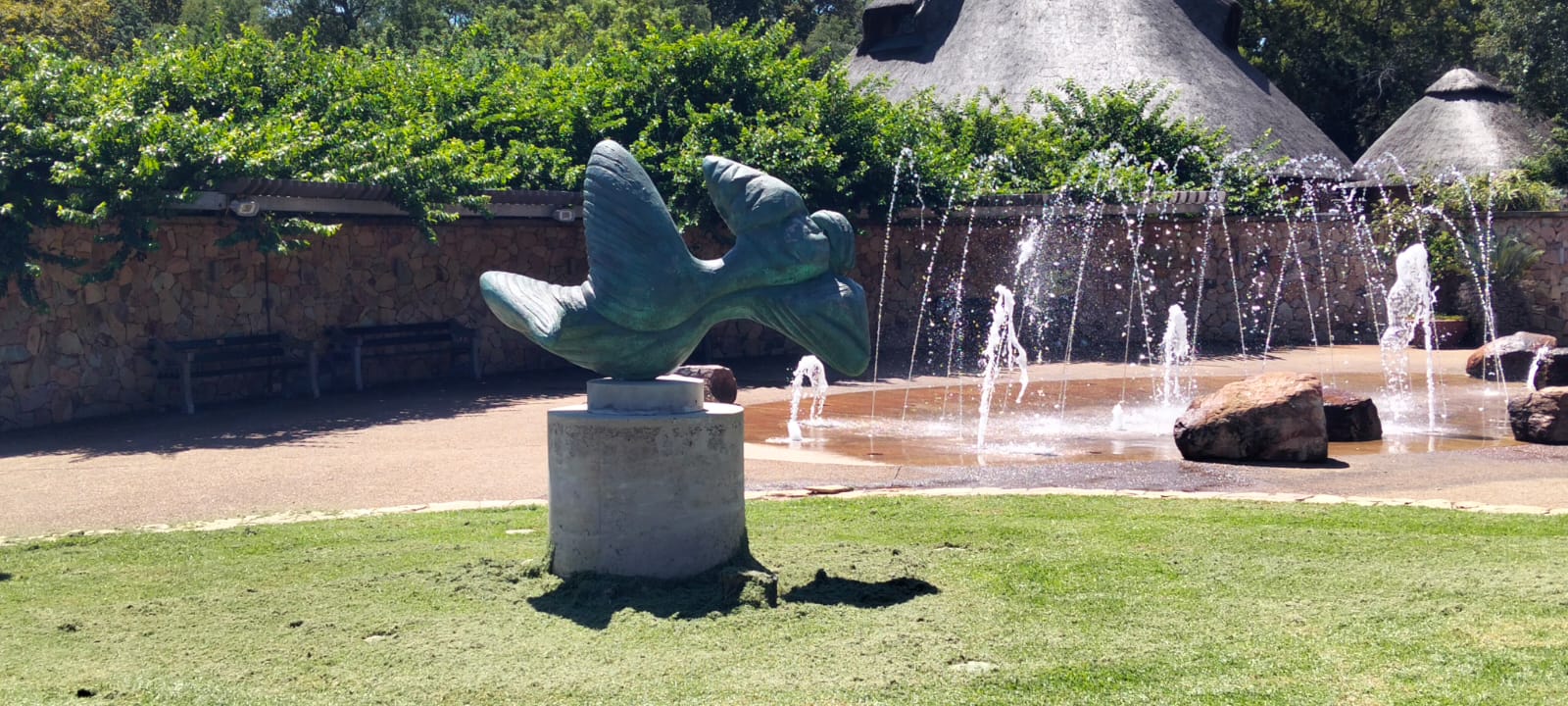
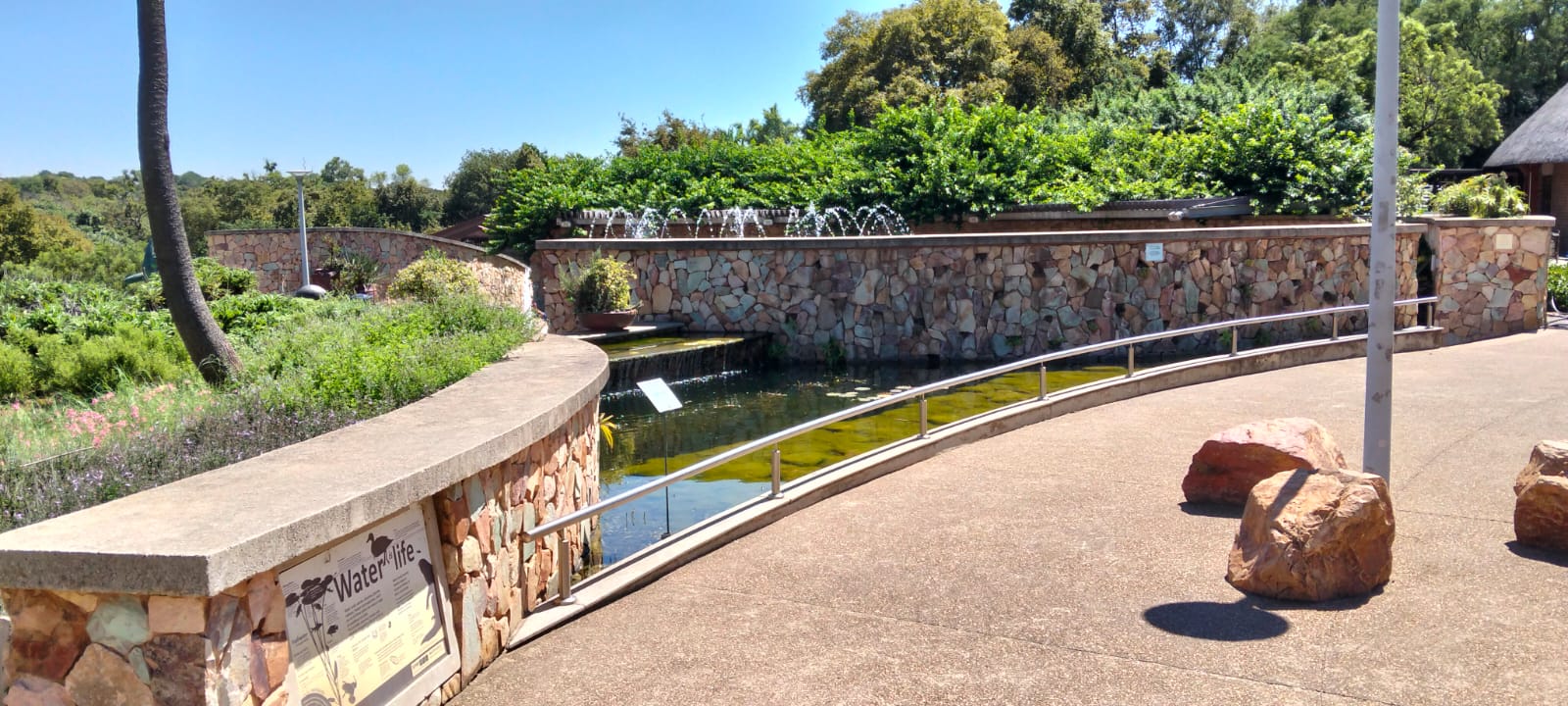
There are also expansive picnic lawns, a restaurant (Eagle’s Fare), a gift shop, a bird hide overlooking Sasol Dam, and themed garden sections including a Cycad Garden, Succulent Rockery, Waterwise Garden, Fern Garden, Wetland Boardwalk, and Water Garden.
Best Time to Visit Walter Sisulu National Botanical Garden
The gardens are worth visiting year-round, but each season offers something different:
- Spring (September to November): The best time for wildflowers and flowering shrubs in bloom. The gardens are at their most colourful and the weather is ideal.
- Summer/Autumn (November to February): Peak season for Witpoortjie Falls – the waterfall runs at its most dramatic after summer rains. Hot but spectacular.
- Winter (June to August): The eagles are most active in winter, raising their young. Crowds are thinner on weekdays and the cooler air makes hiking more comfortable.
For photography, early morning on a weekday in spring or winter gives you the best light, the best chance of eagle sightings, and the fewest people in your shots.
Is Walter Sisulu Good for Kids and Families?
Yes, genuinely. The picnic lawns give kids space to run, the waterfall trail is manageable for older children, and there’s enough wildlife and scenery to hold younger attention spans. Children under 6 enter free, and scholars (grades 1-12) pay just R25.
Toddlers and very young children may find the rocky stretch of the trail tricky, the SANBI website recommends back carriers for young kids on the hiking sections, it takes a toll even on semi-fit adults. The main garden paths are stroller-friendly and wheelchair accessible. Clean toilets and the Eagle’s Fare Restaurant are on site if you haven’t packed your own supplies.
The picnic approach gives you more flexibility and saves money. Most families settle on the lawns after the trail and stay for hours.
Walter Sisulu National Botanical Garden Tickets: How to Buy and What to Pay
Walter Sisulu National Botanical Garden tickets can be purchased in three ways: online via Webtickets, at any Pick ’n Pay Money Market counter, or by card payment at the gate on arrival. No cash is accepted (Not at the gate, not anywhere on site). Sort this before you leave home.
Buying tickets on Webtickets the night before is the smarter move, you skip the queue at the gate entirely, which matters on busy Saturday mornings when the line builds fast.
Current entrance fees:
- Adults: R100
- Seniors: R100 (free entry every Tuesday)
- University students: R50 (valid student card required)
- Scholars (grades 1-12): R25
- Children under 6: Free
SANBI Annual Membership:
- Individual adult: R650/year
- Couples: R1,000/year
- Family (2 adults + 3 kids, or 1 adult + 4 kids): R1,300/year
Membership covers entry to Walter Sisulu and Pretoria National Botanical Garden (among others). If you’re visiting more than six or seven times a year, membership pays for itself.
Budget tip: Seniors get in free every Tuesday. The R25 scholar rate makes this one of the cheapest full-day outings for school-age kids in Gauteng.
Walter Sisulu National Botanical Garden Photos: Best Spots
The gardens reward anyone who brings a decent camera. The most photogenic spots:
- Witpoortjie Falls from the base: The classic shot. Get there early before other hikers fill the frame.
- The cliff ridge above the falls: Looking back down over the gardens and surrounding Highveld. Wide angle or panorama territory.
- The Cycad Garden: Ancient, textured plants with good morning light in winter.
- Eagle sightings: Bring binoculars and patience. Serious birders bring telephoto lenses and tripods and position near the cliff base.
- Picnic lawns at golden hour: Late afternoon light across the open lawns is quietly spectacular.
The waterfall is at its most photogenic from November to February when it’s running at full volume after the summer rains.
Is Walter Sisulu Botanical Gardens Worth Visiting?
Yes. For R100 you get access to 300 hectares of indigenous vegetation, a waterfall hike, expansive picnic lawns, and some of the best urban birdwatching in South Africa. It’s not a theme park, it’s a proper nature reserve that happens to sit inside Johannesburg, i’d very easily compare it to Johannesburg Zoo in experience, in length in visit and overall satisfaction, but with a more nature focus. If you’re within 45 minutes of Roodepoort and haven’t been, there’s no real excuse.
The Visit: A Weekend at Walter Sisulu
We arrived on a Saturday morning just after the gates opened at 8. The parking lot was already filling up by 9, Walter Sisulu National Botanical Garden is no secret on weekends, but the space inside is large enough that busy never tipped into crowded. You can always find a quiet stretch of trail or a patch of lawn to call your own.
We hit the waterfall trail first, which was the right call. Get there early before the trail gets congested, especially the rocky section about a kilometre in. The path winds through genuine bushveld, uneven in places, and properly scenic. When Witpoortjie Falls comes into view, the payoff is real. The water was running well, the cliffs behind the falls are dramatic, and we spent a solid 20 minutes just sitting there watching Makatsa and Mahlori (the resident Verreaux’s Eagles) work the thermals overhead. If you’ve never seen one of those birds in full flight, it’s something.
After the trail, we spread out on the picnic lawns with the food we’d packed. This is the right approach. The Eagle’s Fare Restaurant exists and it’s fine, but having your own setup means you can stay as long as you want without worrying about service times or tables. We were there for four hours total and the afternoon felt entirely unhurried.
The themed gardens reward slow movement. The Cycad Garden is worth a detour – ancient plants that look like they belong in a different era. The Wetland boardwalk is well-constructed and gives a different perspective on the landscape.
Frequently Asked Questions
Can you swim at Witpoortjie Falls?
No. Swimming at the waterfall is not permitted. Enjoy it from the viewing area and trail.
Are dogs allowed at Walter Sisulu Botanical Gardens?
No, dogs are not permitted within the reserve, with the sole exception of certified guide dogs. This policy is in place to protect the garden’s resident wildlife and maintain the integrity of its natural habitats.
Is Walter Sisulu wheelchair accessible?
The main garden paths and picnic areas are accessible. The waterfall hiking trail involves rocky terrain and is not suitable for wheelchairs or prams. Back carriers are recommended for young children on the trail.
How long does a visit to Walter Sisulu take?
A full visit – trail, picnic, and a wander through the themed gardens – takes between 3 and 5 hours. You can do the trail alone in about 1.5 to 2 hours.
Is there a restaurant at Walter Sisulu National Botanical Garden?
Yes. Eagle’s Fare Restaurant is on site and open during garden hours. There’s also a gift shop near the entrance. That said, packing your own picnic is the better experience.
What is the best time to see the Verreaux’s Eagles?
Winter (June to August) is peak eagle season – the breeding pair Makatsa and Mahlori are most active while raising their young. Early morning on any day gives you the best chance of a sighting.
Is parking free at Walter Sisulu?
Yes. There’s a large free parking area at the entrance. It fills up fast on weekend mornings, so arrive early.
My Take
Walter Sisulu is exactly what a city nature reserve should be: accessible, affordable, and ecologically serious. It doesn’t try to be a resort or an entertainment venue, and that restraint is its strength.
If I were doing it again, I’d arrive at 8am sharp, not 8:30. The trail is significantly better with fewer people on it, and the eagles are more active in the cooler morning air. I’d also wear proper hiking shoes rather than trainers, the rocky sections earn it. Bring binoculars if you have them. You won’t regret it when Makatsa decides to make an appearance.
Pack your own picnic, every time. The lawns are the best part of the post-hike experience and you’ll want to linger without the clock ticking on a restaurant booking (but if you forget, you wont be disappointed if you eat here either).
One practical thing to sort before you go: no cash, no exceptions. Buy your Walter Sisulu National Botanical Garden tickets on Webtickets the night before and skip the gate queue entirely.
Our Ratings
Value for Money: ★★★★★
R100 for a full day in 300 hectares of indigenous reserve is exceptional value. The free under-6 entry and R25 scholar rate make it one of the best-value family outings in Gauteng.
Experience & Service: ★★★★☆
Well-maintained grounds, a clearly marked trail, and clean facilities throughout. One star back for the card-only payment policy that still catches people off guard – the pre-arrival communication around this could be a lot clearer.
Uniqueness & Atmosphere: ★★★★★
A named breeding pair of Verreaux’s Eagles, a natural waterfall at the source of the Crocodile River, 600 plant species, and three distinct vegetation types – all inside Johannesburg’s city limits. That combination is genuinely rare.
Convenience & Accessibility: ★★★★☆
Free parking, clear GPS coordinates, easy to find once you’re on Malcolm Road. Main paths are stroller and wheelchair friendly. Limited public transport is the only real friction point.
Final Verdict: ★★★ – Worth Planning Your Trip Around
Walter Sisulu National Botanical Garden is one of Gauteng’s most legitimately impressive natural spaces. The combination of a proper waterfall hike, world-class birdwatching, and unhurried picnic lawns makes it a full-day experience that’s hard to replicate anywhere near Johannesburg. At R100 entry it earns the top rating without much argument. Buy your tickets on Webtickets, arrive early, and bring binoculars.