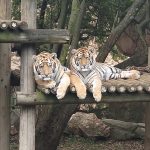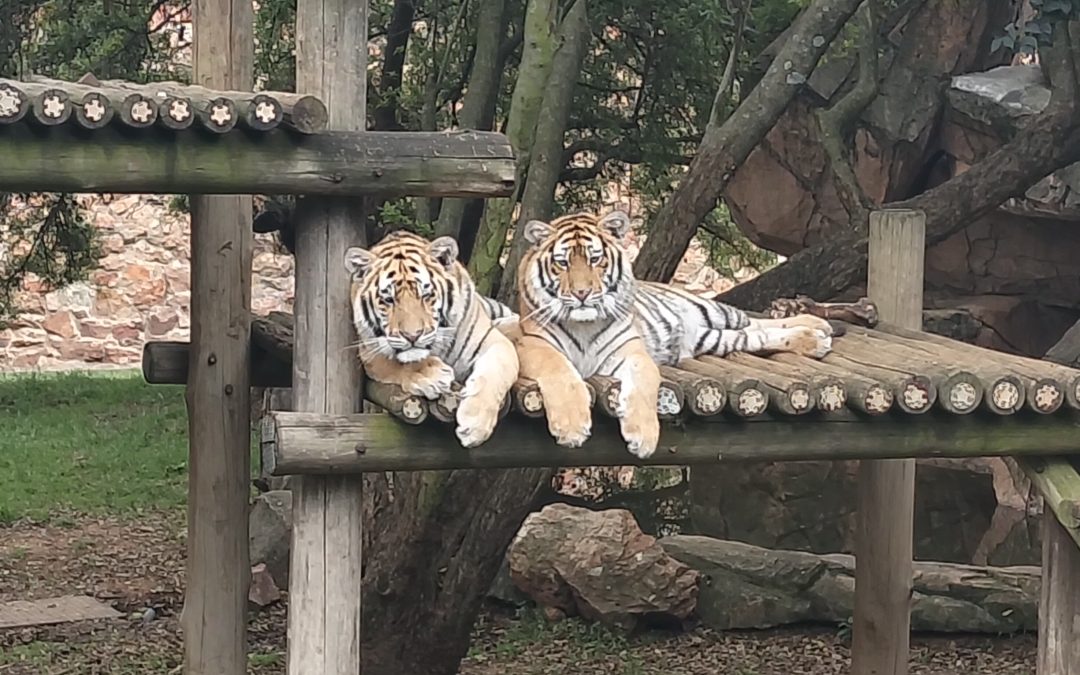
Johannesburg Zoo is one of the oldest and most visited attractions in South Africa, a 55-hectare wildlife park in the leafy suburb of Parkview that’s been drawing visitors since 1904. Over 2,000 animals representing 326 species call it home, and it holds a few genuine distinctions: it’s one of only a handful of zoos in the world with white lions, and it’s the only zoo in South Africa to have successfully bred Siberian tigers, the largest cats in the world.
On paper, it’s an easy sell for a weekend outing. In practice, the experience is more nuanced than that. The zoo has real highlights, solid infrastructure, and moments that land well, but it also carries the weight of a place that’s coasting on 121 years of history more than investing aggressively in its future. That tension is worth knowing about before you go.
Where Is Johannesburg Zoo?
Johannesburg Zoo sits in Parkview, just off Jan Smuts Avenue in Johannesburg’s northern suburbs. The main public entrance is on Upper Park Drive. It’s about 5km from the Joburg CBD and easily accessible from Rosebank, Greenside, Parktown, and surrounding areas.
Address: Corner of Jan Smuts Avenue and Upper Park Drive, Parkview, Johannesburg, 2193 or just click here to get it on google maps.
Parking is available on-site and on surrounding streets, it fills fast on weekend mornings, so arriving close to 08h00 is the smarter move. The zoo is also accessible by Rea Vaya from Park Station, making it one of the more public-transport-friendly major attractions in Joburg.
What to Expect at Johannesburg Zoo
The zoo covers 55 hectares with 326 species and roughly 2,000 individual animals. The collection spans large African mammals, big cats, primates, reptiles, birds, and a range of international species. It’s large enough to fill a full day if you move at a deliberate pace through all the exhibits.
Key Exhibits
- Big Cat Enclosure: Lions, tigers (including Siberian tigers), leopards, and cheetahs. The zoo’s most popular section and consistently the busiest area. White lions are the standout here, a genetic mutation that’s extraordinarily rare in the wild.
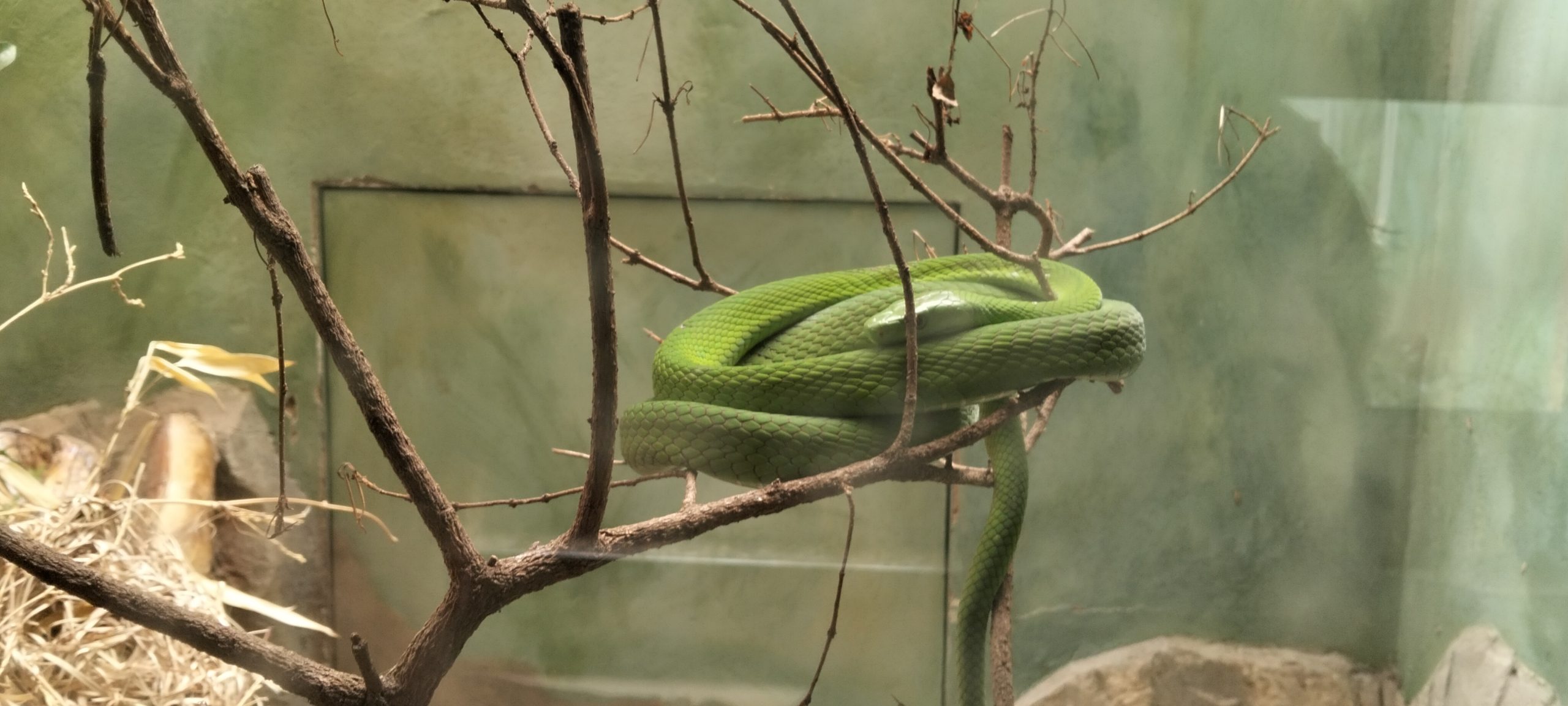
- Reptile House: Puff adders, green mambas, dwarf crocodiles, pythons and more. Well-maintained, climate-controlled, and detailed in its labelling.
- Amazonia Exhibit: A tropical rainforest-themed enclosure with jaguars, anacondas, and exotic birds. Atmospheric and well-constructed.
- Ape and Primate Exhibit: Chimpanzees, baboons, and spider monkeys in enclosures designed to encourage natural behaviour like climbing and foraging.
- African Wild Dog Enclosure: Part of the zoo’s active breeding programme for critically endangered species.
- Farm Yard: Ideal for young children – the friendliest animals in the zoo, and keepers are hands-on and approachable.
Animal Feeding Times
This is the single most important logistical detail for a Joburg Zoo visit. Plan your route around these:
- Chimpanzees: 10h00 daily
- Ground Hornbills: 11h15 daily
- Wild Dogs and Cheetahs: 12h15 daily
- Vultures: 11h00 on Sundays only
The wild dog and cheetah feeding we caught at 12h15 was the unambiguous highlight of the day. Miss it and you won’t see them. If you’re interested in watching the big cats get fed, good luck, we could not get a time online or at the zoo.
Is Johannesburg Zoo Good for Kids and Families?
For families with children, yes, the zoo works well. The animal variety, flat accessible terrain, and close-up viewing areas make it a solid outing. The Farm Yard is purpose-built for younger kids, and the Reptile House has the kind of morbid fascination that children absolutely cannot get enough of.
Play areas with jungle gyms and shaded rest spots are dotted around the grounds, some well kept, others overdue for attention. The kids’ slides near the lion enclosure in particular need a total revamp. Food vendors, kiosks, ice cream stands, and two restaurants are distributed across the property, so you’re never far from a refuel.
One practical tip worth knowing: push cars are available for hire at R50 for 2 hours or R100 for 4, with a R50 cash deposit. The property is big and small legs get tired fast, it’s worth it. Just note that the steering on some is a little wonky, and the deposit is cash only, so come prepared.
Strollers manage the main paths easily. School holiday programmes run throughout the year, check the JCPZ website calendar before you go as events and timing vary.
For older kids or adults with a sharper eye, the enclosure quality in certain sections will be noticeable. The animals are well cared for, but the infrastructure reflects the zoo’s age in places.
Johannesburg Zoo Tickets: Entrance Fees and How to Buy
Johannesburg Zoo tickets are available online via Webtickets (just remember to add your parking) or by card at the gate. Buying online in advance is strongly recommended on weekends, it skips the queue and guarantees entry without the stress of a slow gate on a busy morning.
Open daily (364 days a year, including Christmas and New Year), 08h00 to 17h30. Last entry is at 16h00, don’t arrive late and expect to see everything. it takes about 4-5 hours to walk the entire zoo.
Current Johannesburg Zoo entrance fees (as of March 2026):
- Adults: R132
- Children: R78
- Senior citizens: R78
- Students (weekdays only, valid student card required): R78
- School groups (Monday to Friday, per person): R50
- Differently abled visitors: R50
- Welfare groups (weekdays only, per person): R55
- Parking is R19 for a car and is added to your payment at the gate.
Additional activities:
- Zoo Trot (5km park run): R78
- Conservation walks: R85
Budget tips: Zoo Trot Sundays are worth knowing about, it’s essentially a parkrun with half-price zoo entry included, which is solid value if you’re an early riser. Free entry in your birthday month is a genuine perk, and the R22 entry on the 22nd of each month runs until February 2027, worth timing a visit around. The kids’ push cars are a worthwhile add-on. The golf carts at R170 an hour, not so much.
Best Time to Visit Johannesburg Zoo
The zoo is open year round, which gives you flexibility, but timing matters more here than at most attractions. The winters can get very cold and when the wind picks up having a jacket is not up for negotation. There are however some key times that would suit most.
- Weekday mornings: Far quieter than weekends. If you can go on a Tuesday or Wednesday before noon, the difference in crowd density is significant.
- Weekend mornings at 08h00: If a weekend is your only option, arrive at opening. The feeding times (from 10h00) reward early arrivals who can position well.
- School holidays: Busiest period. Expect larger crowds and potentially longer queues at popular exhibits. The holiday programmes are worth checking out if you have kids.
- Zoo Trot Sundays: The Zoo Trot running event takes place every second Sunday – gates open at 06h30 and the run starts at 07h30. The zoo opens to the public at the normal time, but the grounds are livelier than usual on these mornings.
Is Johannesburg Zoo Worth Visiting?
It depends on what you’re expecting. For families with children, first-time visitors, or anyone who hasn’t been in years – yes, it’s worth it. The animal variety is extensive, the grounds are manageable, and the feeding times give the visit real structure and energy.
If you’re a seasoned wildlife traveller or you’ve recently visited a world-class zoo, the cracks will be more visible. Some enclosures lag behind what contemporary zoo design looks like. It doesn’t undermine the visit, but it does calibrate expectations.
At R132 per adult it’s not expensive, but it is R32 more per person than Walter Sisulu National Botanical Garden for an experience that, on balance, doesn’t consistently feel more special. Worth knowing before you choose between them for a day out.
The Visit: Walking Johannesburg Zoo on a Weekend
We arrived mid-morning on a Saturday and the zoo was busy, the kind of busy where you’re rarely standing alone at any exhibit, but not the kind where it becomes uncomfortable. Jan Smuts Avenue underroof parking was not completely full and I can imagine if we were an hour later we would have had to park a few blocks down, not a deal-breaker but could be an inconvenience.
The animal feeding we caught was the unambiguous highlight of the day. The big cats up close, a keeper who clearly knows his animals and talks about them like people rather than reading from a script. It’s one of those moments that reminds you why zoos exist in the form they do, controlled proximity, genuine education, something you won’t find anywhere outside a place like this in an urban context.
The Reptile House held up well. Enclosed, climate-controlled, varied enough to keep you moving at a proper pace. Puff adders, mambas, crocs, pythons, solid labelling throughout. No complaints.
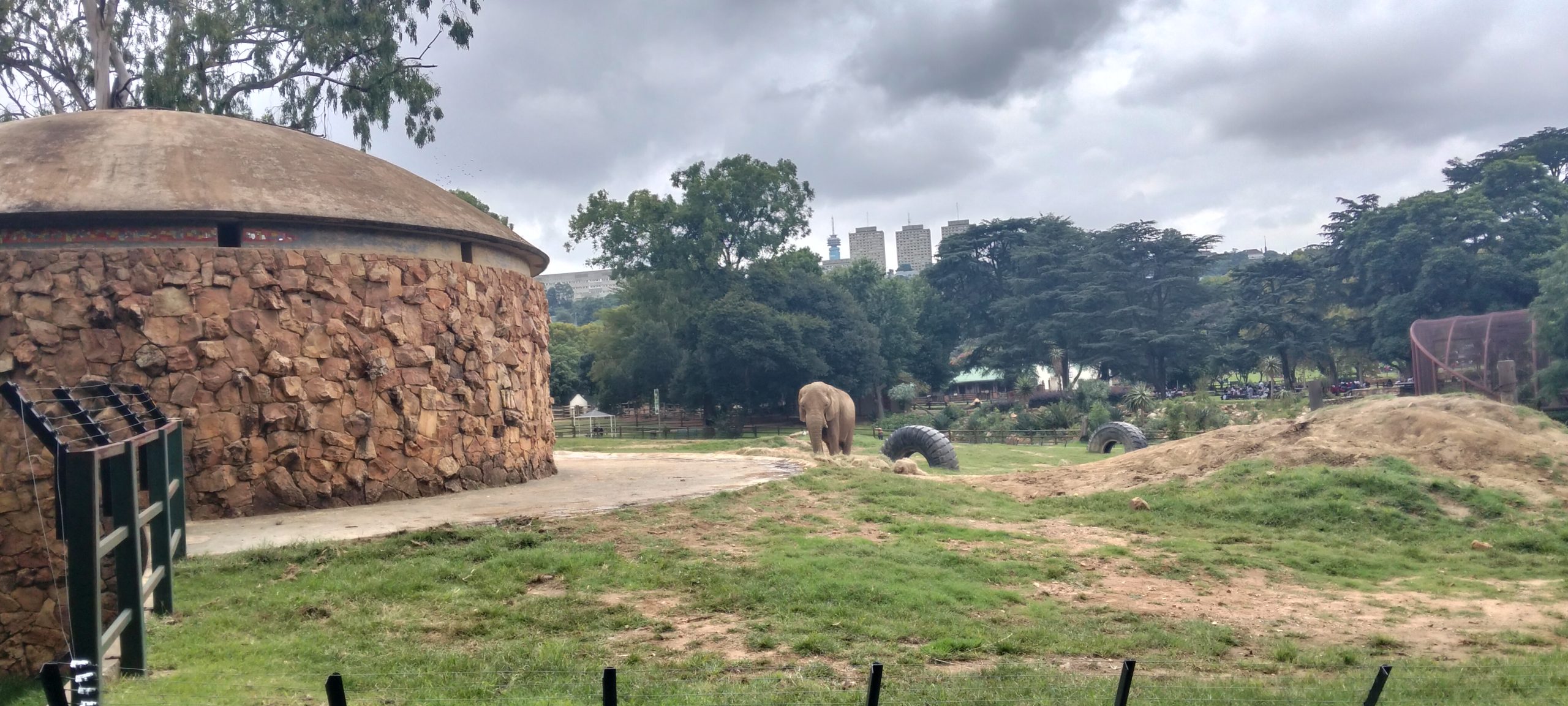
Walking the full grounds took about three to four hours at a relaxed pace. The white lion enclosure drew a crowd, deservedly. The primate section was lively. The Amazonia exhibit has a different atmosphere to the rest of the zoo (this is where the viral aquarium videos are coming from), the tropical theming works and makes it feel like a distinct experience within the same visit. The hippo pool was largely a write-off the animals were invisible from the viewing area when we visited.
Where the day lost momentum was in the mid-section of the grounds. Several of the larger mammal enclosures feel like they’re decades behind what contemporary zoo design looks like elsewhere. The animals appear healthy and staff are present and engaged, but the physical space doesn’t match the ambition of a 121-year-old institution with this kind of collection.
Frequently Asked Questions
Can you bring a picnic to Johannesburg Zoo?
Yes. The zoo has designated picnic areas and you’re welcome to bring your own food and drinks. There’s also a restaurant, multiple food kiosks, and ice cream vendors on site if you prefer to buy.
Are dogs allowed at Johannesburg Zoo?
No. Domestic animals are not permitted inside the zoo.
Is there parking at Johannesburg Zoo?
Yes, there’s on-site parking available. It fills quickly on weekends. Street parking is available nearby but also gets competitive. Arriving at or before 08h00 is the safest option.
What time are the animal feedings at Johannesburg Zoo?
Chimpanzees are fed at 10h00 daily. Ground Hornbills at 11h15 daily. Wild Dogs and Cheetahs at 12h15 daily. Vultures are fed in view on Sundays only at 11h00. Plan your visit route around these – they’re the best moments of any zoo visit.
Does Johannesburg Zoo have white lions?
Yes. The Joburg Zoo is one of a very small number of zoos in the world with white lions. It’s also the only zoo in South Africa to have successfully bred Siberian tigers.
How long does a visit to Johannesburg Zoo take?
A full visit covering the main exhibits at a relaxed pace takes between 3 and 5 hours. Budget for a full morning if you want to catch multiple feeding times.
Does Johannesburg Zoo have night tours?
Yes. The zoo offers guided night tours that need to be booked in advance. Contact the zoo directly via the JCPZ website or call 087 740 3639 for availability and pricing.
Can you rent a golf cart at Johannesburg Zoo?
Yes – the Zoo Trot golf cart is available for R200. It’s useful if mobility is a concern, but the grounds are flat and very walkable for most visitors.
Is Johannesburg Zoo open on public holidays?
Yes. The zoo is open 364 days a year (advertised everywhere), including Christmas Day, New Year’s Day, and Easter. It closes only one day per year (which day, no idea, according to my findings, they are open every day of the year and the 364 is a typo).
My Take
Johannesburg Zoo is worth visiting, but arrive with calibrated expectations rather than inflated ones. The animal feedings are essential, they transform the visit from a passive walk-past into something with real energy. Plan your route around at least two of them and check the schedule at the gate when you arrive.
Get there at 08h00 on a weekend. The crowds build fast and the first hour has a completely different atmosphere from the mid-morning chaos. The 16h00 last entry means you can take a slower afternoon if you want it.
If you’re deciding between the zoo and Walter Sisulu Botanical Gardens for a weekend outing, do Sisulu first. Setting the zoo up as the follow-on manages expectations better. If you’re doing the zoo specifically for the night tour, book it in advance, that’s the version that genuinely surprises people.
Buy your Johannesburg Zoo tickets on Webtickets before you go. The gate queue on weekends is avoidable and there’s no reason to join it.
Our Ratings
Value for Money: ★★★☆☆
R132 per adult is reasonable in absolute terms but harder to justify against other Joburg nature attractions. Kids at R78 and the student concession on weekdays are fair. The conservation walk at R85 extra is the better value add-on if you want more than the standard visit.
Experience & Service: ★★★☆☆
The animal keepers are knowledgeable, feeding times are well-run, and the Reptile House and Amazonia exhibits are genuinely well-maintained. Some of the larger mammal enclosures drag the average down – the experience is uneven across the grounds.
Uniqueness & Atmosphere: ★★★★☆
White lions. Siberian tigers. 121 years of history. A zoo that couldn’t be segregated during apartheid due to the terms of its founding Deed of Gift. The collection and the backstory are more interesting than the average visitor realises. The atmosphere doesn’t fully reflect that yet.
Convenience & Accessibility: ★★★★☆
Rea Vaya BRT access, flat walkable grounds, distributed food and ablution facilities, and stroller-friendly paths throughout. Weekend parking is the main friction point.
Final Verdict: ★★☆ A Very Good Stop
Johannesburg Zoo is a legitimate Joburg institution with real highlights, a collection of genuinely rare animals, and enough variety to fill a rewarding day. It doesn’t quite punch at the level its 121-year history and unique species suggest it should – some enclosures lag behind, and the atmosphere is more utilitarian than inspiring. But for families, first-time visitors, and anyone who times their visit around the animal feedings, it earns its place on the list. Buy your Johannesburg Zoo tickets on Webtickets, arrive early, and plan your route around the feeding schedule.